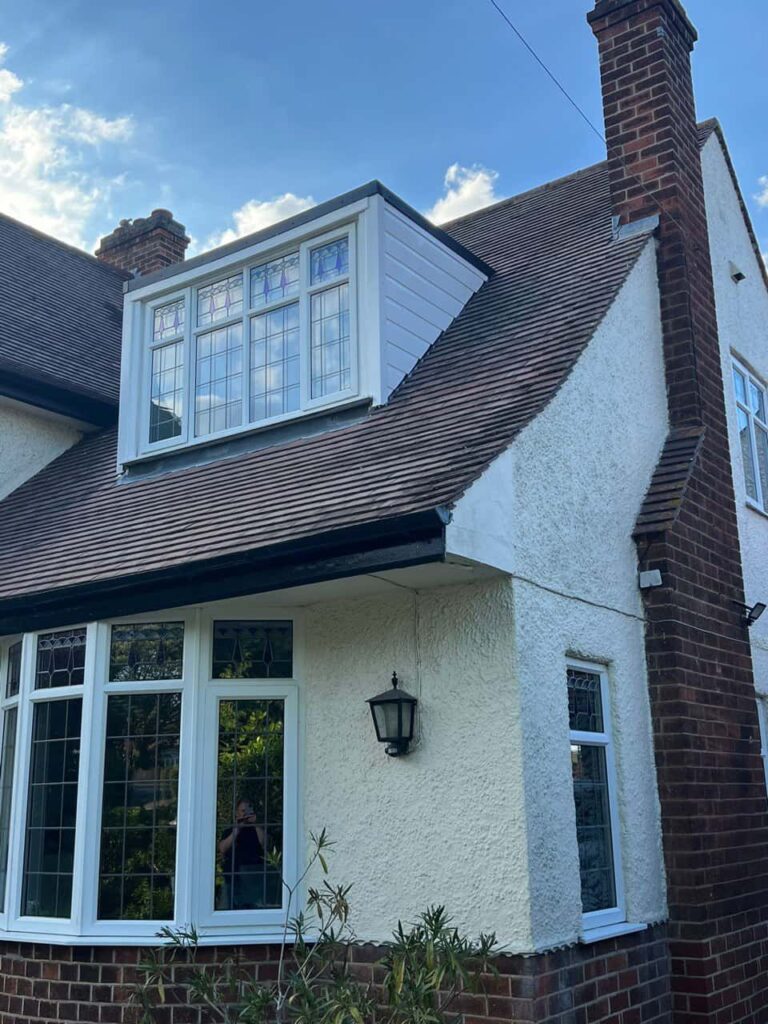
A roof is made up of several connected sections, and the points where these sections meet are particularly important for keeping a property watertight. Known as roof junctions, these areas include the connections between roof slopes, walls, chimneys, extensions and other structural features. Although they may appear relatively small, they play a vital role in directing rainwater away from the building.
Roof junctions are often more vulnerable to leaks because they rely on carefully fitted materials and effective sealing to prevent water from entering. When these components deteriorate, become displaced or are installed incorrectly, moisture can find a route beneath the roof covering. For property owners in Chislehurst, Greater London, understanding why these areas are prone to water penetration can help identify roofing problems before they lead to more extensive damage.
What Are Roof Junctions?
Roof junctions are the points where two or more parts of a roof or building meet. Unlike a continuous section of roof covering, these areas often require additional components to create a reliable waterproof connection.
Common examples include:
- Chimney junctions: The areas where the roof meets the chimney structure, usually protected by lead flashing or other suitable weatherproof materials.
- Roof-to-wall junctions: Connections between a sloping roof and a vertical wall, where flashing is needed to prevent water from entering the gap.
- Valleys: Internal angles formed where two roof slopes meet, which collect and channel rainwater towards the drainage system.
- Extension junctions: Points where a new roof connects to an existing building.
- Roof abutments: Areas where roof coverings meet adjoining structures or raised sections of the building.
Each junction needs to be designed and maintained to manage water effectively. Even a relatively small defect can compromise its ability to keep moisture out.
Why Roof Junctions Are More Vulnerable to Leaks
Roof junctions involve changes in direction, different materials and multiple connection points. These features make them more complex than uninterrupted roof surfaces.
Rainwater naturally follows the roof’s slope, but junctions must guide it around obstacles and towards suitable drainage points. If flashing, seals or adjoining roof coverings become damaged, water may collect or pass beneath the protective layers.
Movement can also contribute to problems. Roof structures and building materials may expand and contract as temperatures change. Over time, this movement can place stress on joints and seals, potentially creating small openings through which water can enter.
Common Problems That Allow Water to Penetrate
Several defects can make roof junctions vulnerable to moisture. Identifying the specific cause is important because simply covering a visible gap may not address the underlying issue.
Damaged or Deteriorating Flashing
Flashing creates a weatherproof connection around features such as chimneys, walls and roof intersections. Lead flashing is commonly used because it can be shaped to suit different junctions.
However, flashing can become cracked, lifted, displaced or damaged over time. If its edges no longer provide an effective seal, rainwater may travel behind it and enter the roof structure.
Poorly Constructed Roof Valleys
Roof valleys carry water from two adjoining slopes, meaning they can experience a concentrated flow during rainfall. If the valley lining becomes damaged, obstructed or incorrectly fitted, water may escape beneath the surrounding tiles or slates.
Debris can also restrict the flow of water, increasing the chance of it backing up beneath the roof covering.
Deteriorated Mortar and Seals
Some roof junctions use mortar or sealant to help close gaps and protect exposed connections. These materials can deteriorate through weather exposure and general ageing.
Cracked mortar around chimney details or failed sealant at adjoining sections can leave openings that allow moisture to enter. Repairs should address the condition of the junction rather than relying on temporary surface applications.
Displaced Roof Tiles or Slates
Roof coverings around junctions can become loose or displaced, particularly where they meet flashing or valley details. Even a small gap can expose the underlying roof structure to rainwater.
Replacing or repositioning the affected covering may be necessary, but the adjoining flashing and supporting materials should also be checked to ensure the repair is complete.
Signs That a Roof Junction May Be Leaking
Water entering through a roof junction does not always appear directly beneath the damaged area. Moisture can travel along roof timbers or other internal surfaces before becoming visible inside the property.
Warning signs include:
- Brown or yellow staining on ceilings and upper walls.
- Damp patches near chimney breasts or external walls.
- Peeling paint or bubbling plaster around roof-level rooms.
- Dripping water during or shortly after rainfall.
- Musty smells in loft spaces.
- Visible deterioration or dampness around exposed roof timbers.
These symptoms can have different causes, so it is important to establish where the water is entering rather than assuming the nearest visible junction is responsible.
Why Professional Roof Junction Repairs Matter
Repairing a leaking roof junction requires an understanding of how the adjoining materials work together. A superficial repair may hide the immediate signs of water penetration without resolving the defect that allowed moisture to enter.
A professional roofing assessment can help identify damaged flashing, defective valley linings, loose tiles and deteriorated connections. The surrounding roof covering should also be inspected to establish whether water has affected nearby materials.
Depending on the findings, suitable work may involve replacing or repairing flashing, restoring a damaged valley, securing displaced roof coverings or renewing failed junction details. Addressing the actual source of the leak helps restore the roof’s ability to shed rainwater effectively.
Protecting Roof Junctions Through Regular Maintenance
Routine roof inspections can help identify early signs of deterioration before water penetration becomes a more significant problem. Particular attention should be given to chimneys, valleys, roof-to-wall connections and areas where extensions meet the original building.
After periods of severe weather, it is also sensible to look for visible signs of displaced materials or new internal damp patches. Property owners should avoid climbing onto the roof themselves, as damaged or wet surfaces can be hazardous.
For homeowners in Chislehurst, Greater London, arranging professional attention when early warning signs appear can help prevent minor roofing defects from developing into more extensive repairs.
Roofing Repairs in Chislehurst, Greater London
Roof junctions are essential to the overall weather resistance of a property, but their complex construction makes them particularly susceptible to leaks. Damaged flashing, deteriorating seals, defective valleys and displaced roof coverings can all create routes for water to enter.
Chislehurst Roofing Repairs provides roofing repair services in Chislehurst, Greater London, helping property owners identify and address problems affecting their roofs. If you have noticed damp patches, staining or signs of water penetration around a roof junction, contact Chislehurst Roofing Repairs to arrange a professional assessment.
Conclusion
Roof junctions are common areas for water penetration because they bring together different materials and structural sections that must work as one weatherproof system. When flashing, seals or roof coverings deteriorate, rainwater can find its way beneath the surface and cause internal damage. Regular inspections and properly targeted repairs help maintain these vulnerable areas and protect the property. If you suspect a leak around a roof junction, Chislehurst Roofing Repairs can help identify the problem and recommend an appropriate repair.
Call us on: 0208 103 3898
Click here to find out more about Chislehurst Roofing Repairs
Click here to complete our contact form and see how we can help with your roofing needs.