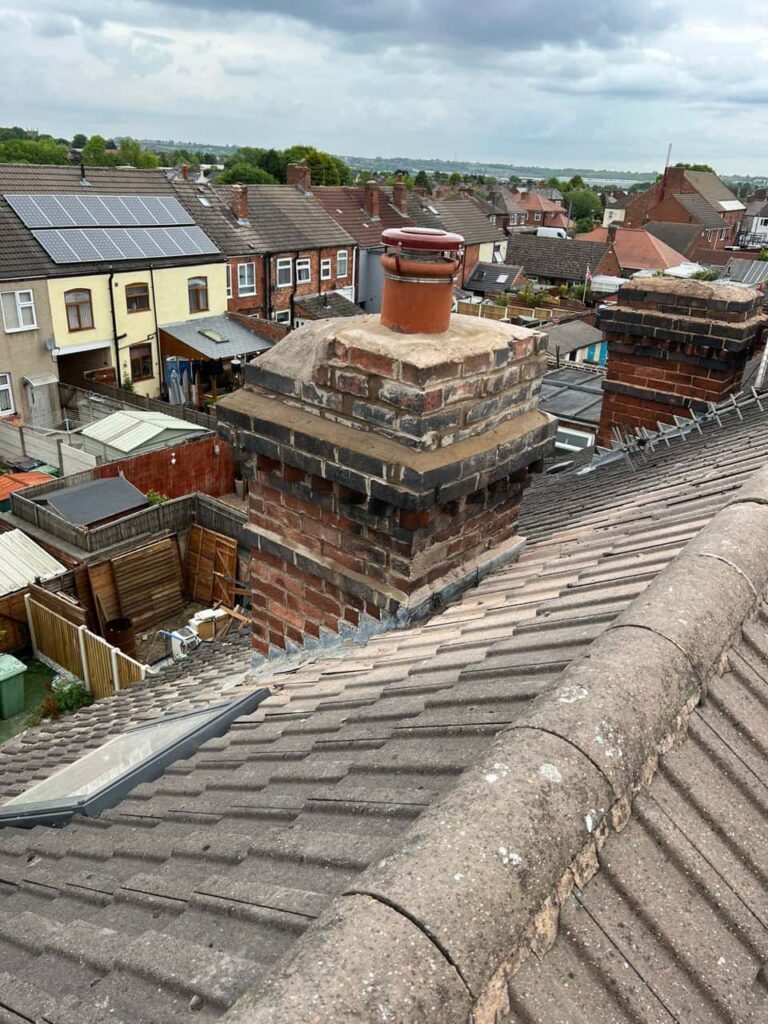
Strong winds can place considerable strain on a roof, particularly during severe weather when gusts lift roofing materials, dislodge tiles and damage vulnerable areas around chimneys and roof edges. Even when a roof appears intact from the ground, wind damage can leave small openings that allow rainwater to enter and cause further problems.
For homeowners in Chislehurst, Greater London, understanding how strong winds affect a roof can help identify potential issues early. Chislehurst Roofing Repairs provides professional roof inspections and repair services to help restore roofing systems after storms and maintain the protection your property needs.
How Strong Winds Can Damage Your Roof
Wind does not need to remove an entire section of roofing to cause a problem. Repeated gusts can gradually weaken materials and expose vulnerable points, increasing the likelihood of leaks and further deterioration.
Slipped, Lifted and Missing Roof Tiles
Roof tiles and slates can become loose when strong winds catch exposed edges or exploit existing weaknesses in their fixings. Once a tile shifts out of position, the protective layer beneath it may become exposed to rain and further wind damage.
Missing or displaced tiles can allow water to reach the roof underlay and timber structure. They can also leave neighbouring tiles more vulnerable, as the roof covering may no longer provide consistent protection.
After a storm, look for visible gaps, uneven roof lines or pieces of roofing material on the ground. Avoid climbing onto the roof to investigate, as damaged surfaces can be unstable and slippery.
Damage to Ridge Tiles and Roof Edges
Ridge tiles sit along the highest point of a pitched roof, where they can be exposed to strong gusts. If their bedding or fixings have deteriorated, wind may loosen them or cause them to move out of position.
Roof edges, verges and eaves can also be vulnerable, particularly where existing materials have weakened over time. Damage in these areas may create entry points for water and increase the risk of further sections becoming loose during subsequent storms.
Professional roof repairs can address these weaknesses and help restore the stability of affected components.
Damaged Flashing Around Chimneys and Roof Features
Flashing forms a weather-resistant seal around features such as chimneys, roof windows and joints between different roof sections. Strong winds can loosen flashing, lift its edges or worsen existing cracks in the surrounding materials.
When these seals fail, rainwater may enter through gaps that are not immediately visible from the ground. Water staining on ceilings or walls near a chimney or roof junction can indicate that the roof needs closer inspection.
Prompt attention helps identify the source of the leak rather than simply treating the visible signs of water damage indoors.
Gutters, Fascias and Other Roofline Components
Strong winds can loosen gutters, downpipes, fascia boards and soffits, particularly if brackets or fixings are already weakened. Detached or misaligned guttering may prevent rainwater from draining away properly, allowing water to collect near the roof edge or run down external walls.
These issues can sometimes be overlooked when the main roof covering appears undamaged. A thorough inspection should therefore consider the entire roofline, not just the tiles or slates.
Warning Signs of Wind Damage After a Storm
Some roof damage is obvious, while other problems develop gradually. Following strong winds in Chislehurst, Greater London, pay attention to the following warning signs:
- Missing, cracked or visibly displaced roof tiles.
- Loose ridge tiles or damage along the roof edges.
- Water stains, damp patches or peeling paint on ceilings.
- Drips in the loft or damp insulation beneath the roof.
- Loose gutters, hanging components or damaged fascia boards.
- Roofing debris around the property.
These signs do not always reveal the full extent of the damage. For example, a small opening in the roof covering may allow water to travel along timbers before it becomes visible indoors. A professional inspection can help locate the entry point and determine which repairs are required.
Why Prompt Roof Repairs Matter
Leaving storm damage unattended can allow a relatively minor defect to develop into a more extensive roofing problem. Rainwater entering through displaced tiles or damaged flashing can affect roof timbers, insulation and internal finishes. Repeated exposure to moisture may also contribute to timber deterioration and mould growth.
Strong winds can make existing weaknesses worse, meaning that a roof already affected by loose fixings or ageing materials may become increasingly vulnerable during later storms.
Arranging repairs promptly helps restore the roof’s weather resistance and reduces the chance of further damage. It also provides an opportunity to identify nearby components that may have been weakened by the same weather conditions.
What to Expect from a Professional Storm Damage Roof Inspection
A professional inspection assesses both the visible damage and the surrounding areas that may have been affected. Depending on the roof type and the circumstances, this may include checking tiles, slates, ridge coverings, flashing, roof edges and drainage components.
The roofer will identify damaged or displaced materials, investigate possible water entry points and explain the repairs needed to restore the roof’s condition. Where damage is limited to specific areas, targeted repairs may be sufficient. More extensive deterioration may require additional work to ensure the affected sections are properly secured and weather-resistant.
At Chislehurst Roofing Repairs, the aim is to identify the cause of the problem and recommend suitable repairs based on the roof’s condition. A clear assessment helps homeowners understand what needs attention and why.
How to Protect Your Roof from Future Wind Damage
Although severe weather cannot be prevented, regular maintenance can help reduce the risk of avoidable damage. Keeping roofing materials in good condition makes it easier to identify weaknesses before strong winds put them under pressure.
Useful preventative measures include arranging periodic roof inspections, replacing cracked or loose tiles, checking ridge tile stability and ensuring flashing remains properly sealed. Gutters should also be kept clear and securely attached so that rainwater can drain away efficiently.
If your property has experienced repeated storm damage, an inspection can help determine whether an underlying maintenance issue is contributing to the problem.
Never attempt to repair a roof during high winds or climb onto a damaged roof after a storm. If you suspect structural instability or loose materials overhead, keep clear of the affected area and arrange professional assistance.
Conclusion
Strong winds can damage roof tiles, loosen ridge coverings, disturb flashing and weaken roofline components, sometimes leaving problems that are not immediately visible. Recognising the warning signs and arranging professional repairs promptly can help prevent water ingress and protect your property from further deterioration.
If your roof has been affected by severe weather, Chislehurst Roofing Repairs can help assess the damage and identify the appropriate repair work. Contact us to arrange a professional roof inspection in Chislehurst, Greater London, and take the next step towards restoring your roof’s protection.
Call us on: 0208 103 3898
Click here to find out more about Chislehurst Roofing Repairs
Click here to complete our contact form and see how we can help with your roofing needs.